Why Airports Feel Emotionally Different
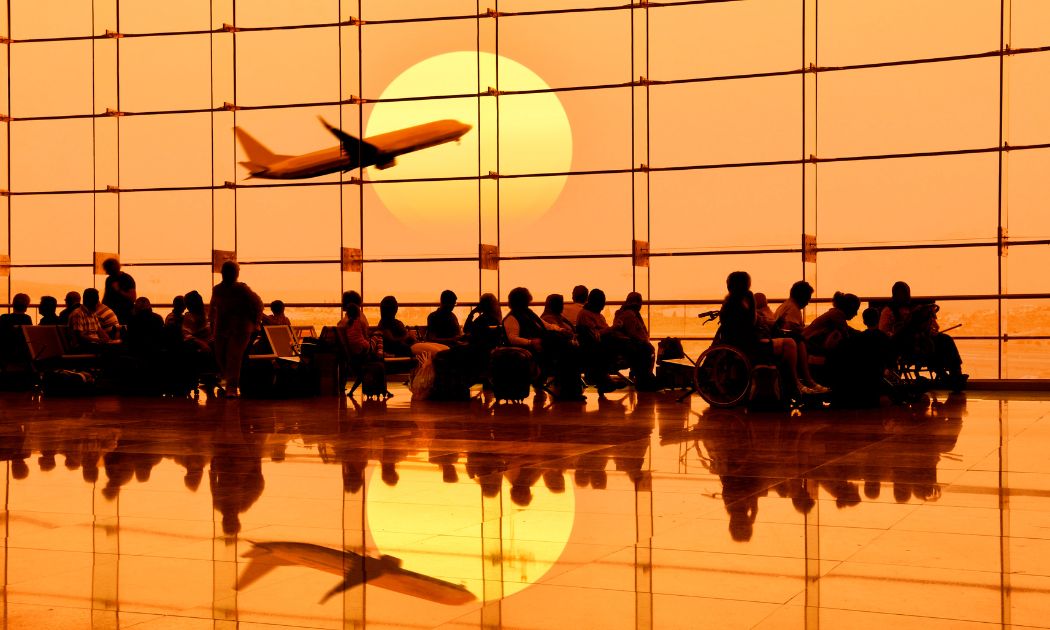
Airports are more than transit hubs—they are emotional crossroads. For students preparing to study abroad, stepping into an airport often triggers a unique mix of anticipation, anxiety, and reflection. This experience is not accidental; it is rooted in psychology, environment, and the meaning attached to departure and arrival. Understanding why airports feel emotionally intense can help international students navigate these moments with greater awareness and confidence.
The Psychology of Transition Spaces
Airports function as liminal spaces, a term used in psychology and anthropology to describe environments that exist between two stages of life. When you enter an airport, you are no longer fully grounded in your home environment, yet you have not arrived at your destination either.
This “in-between” state disrupts routine thinking patterns. Familiar roles—student, child, friend—temporarily loosen, making room for new identities. For studying abroad students, this transition is amplified because the journey represents a significant life shift, not just travel.
Emotional Amplification Before Departure
Before boarding, emotions tend to intensify. This happens due to a combination of psychological and physiological factors:
- Heightened awareness: You become more conscious of surroundings, people, and time.
- Anticipatory anxiety: Uncertainty about a new country, academic system, or social life can create mental tension.
- Emotional reflection: Thoughts about family, friendships, and familiar routines become more vivid.
Unlike everyday environments, airports remove distractions. Long waiting periods allow the mind to wander, often leading to deeper emotional processing.
The Role of Goodbyes
Saying goodbye in an airport carries a different emotional weight compared to other settings. The finality of the moment—especially for international students—adds intensity.
Several elements contribute to this:
- Physical separation becomes real: Distance is no longer abstract.
- Time uncertainty: You may not know when you will return.
- Emotional compression: Multiple feelings—excitement, sadness, pride—occur simultaneously.
This combination creates what many describe as an “emotional surge,” making airport farewells particularly memorable.
Sensory Design and Atmosphere
Airports are carefully designed environments, and their structure influences emotional responses:
- Lighting and architecture: Large open spaces and bright lighting create a sense of scale and significance.
- Announcements and sounds: Constant updates reinforce the idea of movement and change.
- Global diversity: Seeing people from different cultures highlights the magnitude of travel.
For students heading abroad, this environment reinforces the idea that they are entering a global network, which can feel both empowering and overwhelming.
Identity Shift and Personal Growth
One of the less obvious reasons airports feel different is the identity transition they represent. When leaving for studies abroad, you are not just changing location—you are stepping into a new version of yourself.
This moment often includes:
- Letting go of familiar labels
- Anticipating independence
- Preparing for academic and cultural challenges
Airports become symbolic gateways where this transformation begins. The emotional intensity reflects the importance of this shift.
Time Perception Changes
Time behaves differently in airports. Waiting periods, early arrivals, and delays create a distorted sense of time.
For studying abroad students:
- Minutes can feel longer due to anticipation
- Reflection increases during idle time
- Emotional processing deepens without daily distractions
This altered time perception enhances emotional awareness, making the experience feel more significant than routine travel.
The Mix of Control and Uncertainty
Airports present a unique balance between control and unpredictability:
- Structured systems: Check-ins, security, boarding procedures
- Uncertain variables: Delays, gate changes, unfamiliar environments
This combination affects emotional states. While procedures provide stability, uncertainty about the future—especially in a new country—keeps the mind alert.
Why Students Feel It More Intensely
Not everyone experiences airports the same way. For studying abroad students, several factors increase emotional sensitivity:
- First-time international travel
- Long-term relocation rather than short trips
- Academic and career expectations
- Cultural adaptation concerns
These elements make the airport experience more than a departure point—it becomes a defining life moment.
How to Manage Airport Emotions
Understanding these emotional triggers can help you stay grounded. Here are practical strategies:
1. Acknowledge Your Feelings
Recognize that mixed emotions are normal. Avoid suppressing them; awareness reduces intensity.
2. Stay Occupied
Bring books, music, or podcasts to maintain focus and reduce overthinking.
3. Break the Journey into Steps
Instead of focusing on the entire transition, concentrate on immediate tasks like boarding or reaching your destination.
4. Maintain Connection
Send messages or schedule calls with family and friends to ease the sense of distance.
5. Practice Mindful Breathing
Simple breathing techniques can help regulate anxiety and improve emotional balance.
Read More-Managing Life Without Family Support: A Student Reality Abroad
Airports as Emotional Landmarks
Over time, airports become associated with major life events—departures, reunions, achievements. For students studying abroad, the first airport experience often marks the beginning of independence and personal growth.
This emotional imprint explains why future visits to airports may trigger similar feelings, even years later.
Conclusion
Airports feel emotionally different because they combine psychological transition, environmental design, and personal significance. For studying abroad students, these factors intensify due to the scale of change involved.
Recognizing the reasons behind these emotions transforms the experience from overwhelming to meaningful. Instead of viewing airport feelings as stress, they can be seen as indicators of growth, change, and new opportunities ahead.
FAQs
1. Why do I feel emotional at the airport before studying abroad?
Airports trigger emotional responses because they represent transition, uncertainty, and significant life changes. For students, this moment often includes leaving familiar environments and preparing for independence.
2. Is it normal to feel anxious before an international flight?
Yes, anxiety is common. It stems from uncertainty, new experiences, and high expectations. Proper preparation and awareness can help manage these feelings effectively.
3. How can I stay calm during airport waiting time?
Engage in activities like reading, listening to music, or organizing your travel plans. Mindfulness techniques and staying connected with loved ones also help reduce stress.