Group Assignments Abroad: It’s Not Just About English, It’s About Understanding People
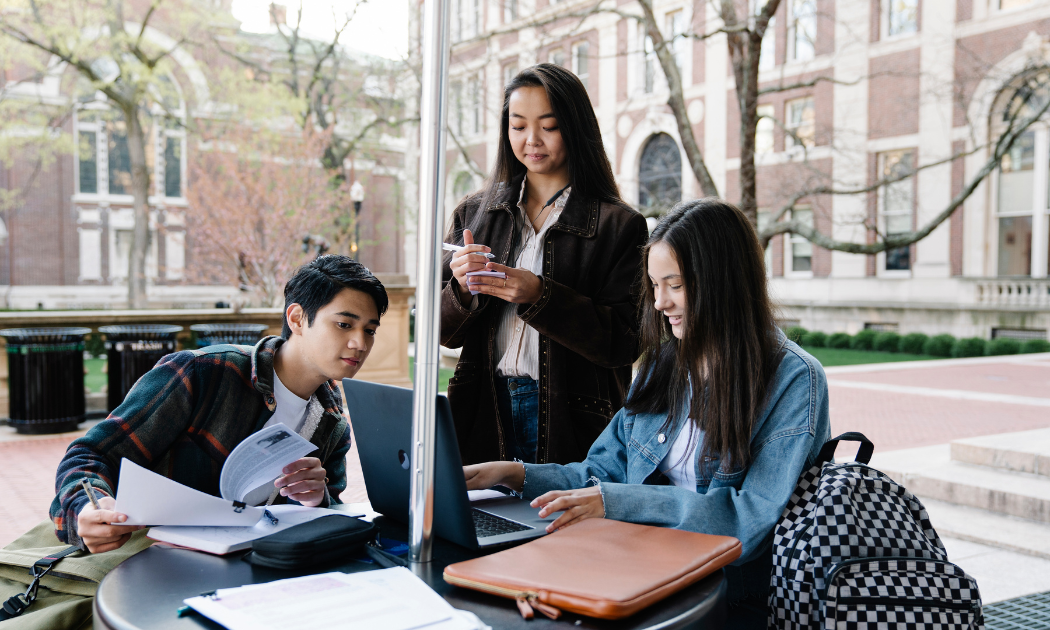
Studying abroad often comes with a big checklist: visas, accommodation, orientation sessions, adjusting to food, weather, and of course, mastering English. But what many students don’t prepare for—until it hits them—is the complexity of working in international group assignments. In classrooms filled with people from different continents, communication is about much more than language. It’s about navigating personalities, unspoken norms, and the subtle art of understanding people.
The Illusion of English as the Only Bridge
When students think about studying abroad, they often assume that as long as they speak fluent English, they’re set. It feels like the universal tool that will unlock everything. And while English is indeed the primary language of instruction in many global universities, it’s not the end of the story—especially when it comes to teamwork.
A student from India might speak perfect English, just like their peers from Germany, Brazil, or China. But when they come together to brainstorm for a group project, they may still struggle to understand each other. Why? Because words don’t carry the same weight across cultures. The tone, body language, sense of time, perception of “initiative,” and decision-making styles differ vastly—and these differences don’t show up on grammar tests.
More Than Just Tasks: The Emotional Side of Group Work
Group assignments are supposed to simulate real-world collaboration. But for international students, they also bring an unexpected emotional test.
Let’s take Maya, a student from Mumbai, as an example. She’s confident, articulate, and eager to contribute. In her first group project in Australia, she finds that some members dominate the discussion while others barely speak. She’s used to a more structured team setup—roles assigned early, deadlines respected, and everyone showing commitment. But here, meetings feel loose, and nobody seems to lead. She begins to doubt herself.
Is she too controlling? Too eager? Or maybe… not confident enough in the new environment?
This emotional confusion isn’t uncommon. Students often underestimate how draining it can be to interpret different personalities while also trying to perform academically. The anxiety doesn’t come from lack of intelligence or ability—it comes from the silent pressure to “fit in” with how people in that context work.
Read More- Is Studying Abroad Really Worth It? Here’s What the Data Says
Understanding Roles, Not Just Tasks
Different cultures bring different assumptions about what it means to work in a group.
- In some cultures, students are taught to take initiative and argue ideas boldly (think US or parts of Europe).
- In others, harmony and respect take precedence; people avoid directly disagreeing, even when they don’t support the idea (common in parts of Asia or the Middle East).
- Some students wait to be given clear instructions before acting. Others jump in and shape the group’s direction.
This doesn’t mean one style is better. But not knowing these differences leads to misinterpretation. A quiet team member might not be “lazy”—they might just be taught to listen before speaking. A dominant one isn’t “rude”—they may simply be used to a more assertive environment.
Success in such teams requires curiosity, not judgment. Asking why someone works the way they do is often more powerful than assuming they don’t care.
Conflict Isn’t Always a Bad Sign
Many students fear conflict in international teams, assuming that disagreement means failure. But that’s not always true. Sometimes, clashes are actually a sign that everyone is engaged, just in different ways.
The real skill isn’t avoiding conflict—it’s learning how to move through it without breaking the team. This means:
- Listening actively, not defensively
- Clarifying intentions (“When I said that, I didn’t mean to dismiss your idea…”)
- Establishing shared goals early
- Agreeing on how to divide work—based on strengths, not assumptions
The earlier students learn this, the better they function not just in classrooms, but also in global workplaces.
The Quiet Value of Empathy
In a diverse team, empathy isn’t a soft skill—it’s a survival skill.
A student might be dealing with language barriers, family stress back home, or homesickness. When they delay a task, it’s easy to label them irresponsible. But asking “Hey, is everything okay?” can completely change the tone.
One of the most human things a student can do in an international group is to be patient—with others, and with themselves.
- If someone doesn’t understand your point, try explaining it in another way, instead of getting frustrated.
- If you feel misunderstood, voice it calmly rather than bottling it up.
- If a team member is struggling, offer help rather than silent judgment.
This creates trust, which ultimately leads to better collaboration than any formal strategy.
What You Really Learn in Group Assignments Abroad
You might walk into an international classroom thinking it’s all about acing the assignment. But what you walk out with is far richer. You learn:
- How to adapt your communication for different people
- How to listen to ideas that don’t align with your worldview
- How to negotiate between logic and emotions
- How to lead without dominating
- And perhaps most importantly, how to respect difference without losing yourself
These lessons rarely show up in transcripts, but they define the true meaning of global education.
Final Thoughts
Studying abroad teaches students more than theory—it teaches emotional intelligence in real time. And group assignments are one of the sharpest tools in that learning journey.
So, the next time you sit in a multicultural group, remember: your role isn’t just to present or write slides. Your role is to connect. To make space for difference. To turn confusion into curiosity.
Because in the end, success in global classrooms doesn’t just belong to those who speak the best English—it belongs to those who understand people.
📍Smart Abroad Insight
Want to build communication skills that go beyond language? Smart Abroad prepares you for group dynamics in both domestic and international classrooms—because true preparation is about mindset, not just materials.
FAQs
Q: Do I need to be fluent in English to participate well in international group assignments?
Fluency helps, but understanding cultural context and people skills matters just as much—sometimes more.
Q: How do I deal with a group member who doesn’t contribute?
Start by having an open conversation. Sometimes the issue is miscommunication, not laziness. Set expectations early and divide tasks clearly.
Q: What if I feel ignored in group discussions?
Speak to a peer or mentor. Try to assert your views respectfully. International classrooms value diverse opinions—your voice matters.