Zero-Tuition Education: A Detailed Look at Germany’s Public University Model
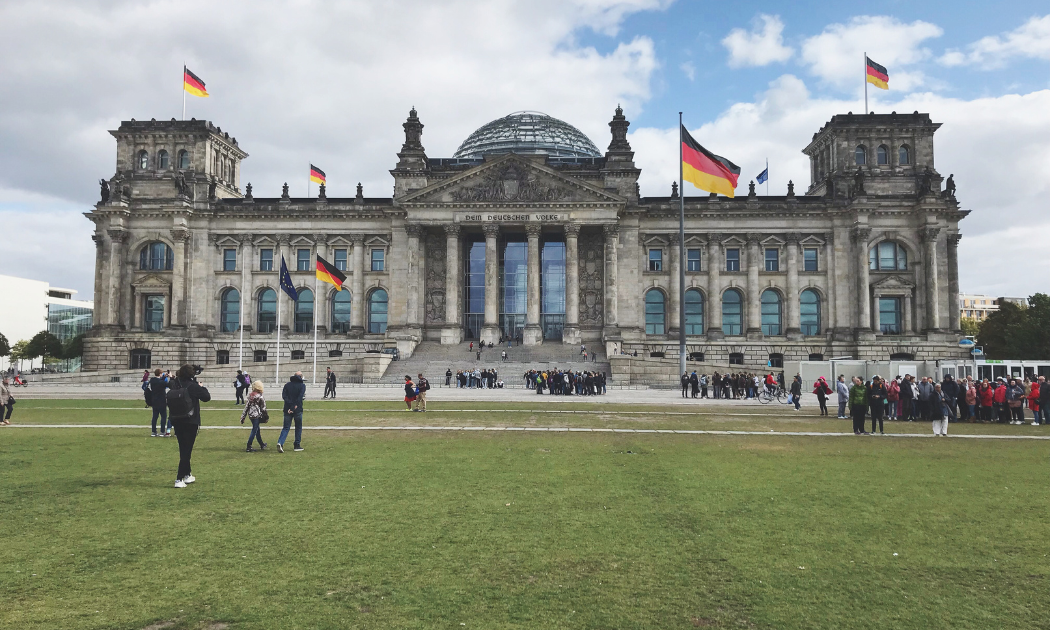
For international students evaluating their global education options, Germany consistently ranks among the most attractive destinations. Its public university system is known not only for rigorous academic standards and extensive research output, but also for an aspect that captures worldwide attention: degree programs at public institutions typically charge no tuition, even for non-EU students. This model stands in stark contrast to rising higher-education costs elsewhere and has reshaped the strategic decision-making of students seeking accessible, high-quality study options abroad.
This article provides a comprehensive overview of how Germany’s zero-tuition framework works, why it exists, and what prospective international applicants should expect from admission to graduation. It also incorporates SEO-relevant insights for study-abroad audiences researching affordability, program diversity, and long-term career value.
Germany’s Public Higher Education Framework
Germany’s public universities operate under the principle that higher education is a public good and a long-term investment in the country’s innovation capacity. Most public institutions—whether traditional research universities or Universities of Applied Sciences—charge only modest semester contributions. These fees, typically between EUR 150 and EUR 350 per semester, cover administrative costs, student services, and frequently a public transportation pass. They are not tuition in the conventional sense.
This system applies to bachelor’s programs and, in most federal states, to consecutive master’s programs as well. A few regions have implemented tuition for non-EU students, but these are exceptions rather than the rule. For the majority of applicants, especially those considering STEM, business, engineering, and arts programs, Germany offers a cost structure that dramatically reduces the financial barriers associated with studying abroad.
Academic Breadth and Institutional Reputation
Germany hosts hundreds of public institutions, many of which are globally ranked and research-intensive. Students benefit from established academic traditions in engineering, natural sciences, medicine, philosophy, and economics, as well as from Germany’s leadership in applied research and industrial collaboration.
International students can choose between:
- Research Universities (Universitäten): Focused on theoretical foundations, doctoral pathways, and advanced research.
- Universities of Applied Sciences (Fachhochschulen): Industry-oriented programs with mandatory internships, project-based learning, and strong employment outcomes.
- Specialized Institutions: Including schools of art, music, film, and public administration.
Program availability in English is expanding each year, especially at the master’s level, enabling students without German proficiency to begin their studies while gradually integrating into the local language environment.
Financial Considerations Beyond Tuition
While tuition might be zero, students must account for living expenses. German immigration regulations require proof of sufficient financial resources—known as the “blocked account” requirement. For most applicants, this means demonstrating access to a set annual amount to cover living costs such as housing, food, health insurance, and daily expenses.
Average monthly costs vary by city. Munich, Frankfurt, and Stuttgart typically have higher living expenses, while cities such as Leipzig, Dresden, and Saarbrücken are more affordable. Despite these differences, Germany remains cost-competitive compared to many Anglophone destinations where tuition can exceed living expenses several times over.
Admissions Structure and Academic Requirements
German universities emphasize academic preparedness and alignment with program prerequisites. Admission requirements depend on the applicant’s educational background:
- Bachelor’s Applicants: High-school credentials must be recognized as equivalent to the German Abitur or supplemented with a preparatory year or assessment test.
- Master’s Applicants: A relevant bachelor’s degree and documented subject-specific coursework are essential.
- Language Requirements: English-taught programs require standardized proof such as IELTS or TOEFL, while German-taught programs require proficiency demonstrated through recognized exams such as TestDaF or DSH.
The admissions timeline typically includes early application windows due to visa processing times. Students benefit from planning well in advance and preparing academic and financial documentation thoroughly.
Instructional Quality and Research Infrastructure
Germany invests heavily in research and development, a commitment reflected in its universities’ partnerships with institutions such as the Max Planck Society, Fraunhofer Institutes, and Helmholtz Centers. Students gain direct exposure to cutting-edge research environments, modern laboratories, and faculty with established global reputations.
For those enrolled in applied sciences programs, collaboration with industry is a defining feature. Internships, cooperative education models, and practical modules ensure that graduates enter the labor market with hands-on experience.
Post-Study Opportunities and Career Outcomes
International graduates benefit from policies that support professional integration. After completing a degree, students can apply for an 18-month residence permit to seek employment aligned with their qualifications. Germany’s strong labor market, particularly in engineering, IT, healthcare, renewable energy, and manufacturing, offers considerable opportunities for well-prepared graduates.
Additionally, successful employment can lead to long-term residence pathways, making Germany an appealing option for individuals considering not only education but also long-term career development.
Cultural Integration and Student Life
Germany’s cities combine academic tradition with modern, student-friendly infrastructure. Public transportation networks, libraries, cultural institutions, and student unions provide an environment conducive to learning and community building.
International students often find that Germany’s approach to academic independence—characterized by self-directed study, research responsibility, and rigorous assessment—requires an adjustment period. However, this framework cultivates discipline, analytical thinking, and professional maturity.
Read More-How British Universities Cultivate Research-Driven Learning
Strategic Considerations for Prospective Applicants
Students evaluating Germany’s zero-tuition model should approach the decision with a structured plan:
- Identify academic objectives: Clarify degree goals and align them with Germany’s institutional strengths.
- Research specific programs: Each university structures curricula differently; understanding these nuances supports better applications.
- Prepare financially: While tuition is minimal, maintaining adequate funding for living expenses is essential.
- Understand visa and residence requirements: Compliance with immigration rules ensures a smooth transition.
- Engage with language learning: Even for English-taught programs, German proficiency enhances employability and daily life.
Conclusion
Germany’s public university model demonstrates that world-class education does not need to be financially inaccessible. For international students seeking high academic standards, robust research opportunities, and a cost-efficient path to a global career, Germany stands out as one of the most compelling study destinations. By eliminating tuition while maintaining academic excellence, the country offers a framework that empowers students to focus on learning, professional development, and long-term personal growth.