Nobody Warned Me About This Part of Studying Abroad
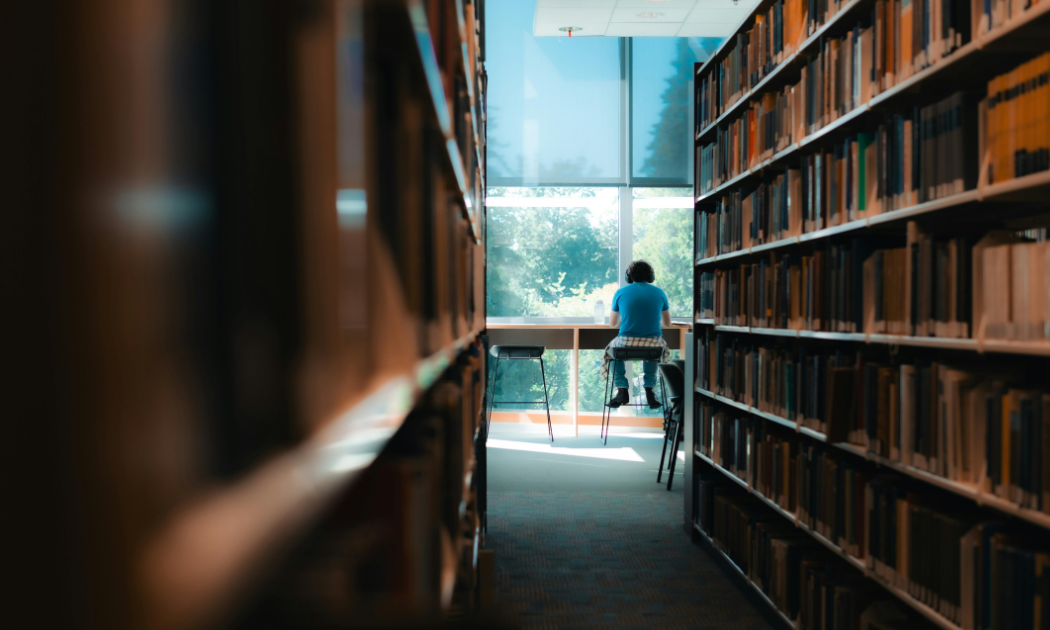
Moving to another country for education feels exciting. You imagine discovering new cultures, tasting new foods, and making lifelong friends. But behind all those amazing moments, there’s another side few people talk about — the reality of adjusting to a completely new life.
Studying abroad isn’t only about academics or travel photos. It’s also about personal growth, challenges, and learning how to handle change. If you’re planning to study overseas or have just started, here are some honest things that nobody warns you about.
1. The First Few Weeks Can Feel Overwhelming
When you first arrive, everything feels different — from the way people greet each other to how buses work. Even small tasks like buying groceries or asking for directions can feel stressful. You might question your decision at first, and that’s perfectly normal.
The key is patience. It takes time to adjust to new systems and routines. Remember, everyone around you was new once too. Try to observe, ask questions, and take notes. Slowly, you’ll start to feel more confident navigating your new environment.
2. Language Barriers Can Be Exhausting
Even if you’re fluent in the local language, accents, slang, or cultural references might confuse you. Sometimes you’ll nod politely without understanding a word. This can feel isolating, especially in group conversations.
The trick is to practice without fear of mistakes. Locals usually appreciate when international students make an effort to speak their language. You can also join language exchange meetups or download translation apps to help you through the first few months. Over time, you’ll find yourself understanding and communicating naturally.
3. Managing Money Abroad Is Tougher Than It Looks
Budgeting becomes a big part of your daily life. Between rent, groceries, public transport, and social outings, expenses add up quickly. Exchange rates can also fluctuate, changing how much your money is worth.
Create a realistic monthly budget early on. Use apps to track spending, and don’t be afraid to say no to expensive plans. Cooking at home and finding student discounts can save a lot. Remember — studying abroad is about experiences, not constant spending.
4. Making Friends Takes Time
At first, you might expect to instantly connect with everyone. But friendships abroad often take longer to build. Cultural differences, language, and busy schedules can make it tricky.
Start by joining university clubs or international student groups. Attend social events or volunteer activities — shared experiences help you meet people with similar interests. It’s okay if you don’t have a huge friend circle right away; one or two genuine friendships can make a huge difference.
Read More- So You Think Studying Abroad Is Just Travel? Think Again.
5. Culture Shock Is Real
Every country has its own pace, humour, traditions, and rules. You might feel frustrated by how slowly things move at the bank, or confused about unwritten social customs. This feeling is known as culture shock, and it can come in waves.
The best way to handle it is to stay curious instead of critical. Ask locals about the “why” behind certain customs. Try local food, attend festivals, and explore neighbourhoods beyond tourist areas. Understanding the culture helps you feel more connected — and less like an outsider.
6. You’ll Miss Home More Than You Expect
No matter how independent you are, homesickness can sneak up on you — maybe during holidays or when you’re sick. You’ll miss your family’s cooking, your old friends, or even small things like your local café.
Keep in touch through video calls and messages, but also build new routines where you are. Create comforting habits — maybe cooking a favourite dish, watching familiar shows, or decorating your room with photos. These small things make your new space feel like home.
7. Balancing Studies and Life Isn’t Easy
University life abroad often involves self-directed learning. Professors might expect you to do more research on your own or participate actively in class discussions. At the same time, you’ll be managing laundry, meals, and social plans — all without your usual support system.
To stay balanced, plan your week ahead. Use a calendar to track deadlines and personal time. Don’t skip rest — burnout is common among international students. Remember, it’s okay to ask for help from academic advisors or counsellors when you’re struggling.
8. You’ll Learn More About Yourself Than Ever Before
Living abroad pushes you out of your comfort zone. You’ll learn how to solve problems, make decisions, and adapt to different situations. You might even discover interests or strengths you never knew you had.
At some point, you’ll realize you’ve grown — not just academically, but personally. You’ll become more independent, open-minded, and confident in handling the unexpected. These are life skills that go far beyond any classroom.
9. Returning Home Can Feel Strange
After living abroad for months or years, going back home can feel like another adjustment. You’ve changed — your perspectives, habits, even your sense of time might be different. Friends or family may not fully understand your experiences.
This is called reverse culture shock, and it’s completely normal. Take time to share your stories, reflect on your growth, and stay connected with your international friends. Studying abroad changes how you see the world — and that’s something to celebrate, not hide.
Final Thoughts
Studying abroad is an incredible opportunity, but it’s not always easy. There will be days when you feel lost, tired, or homesick. But those moments are part of the journey that makes you stronger and more adaptable.
So, if you ever feel overwhelmed, remember — every international student has been there too. Keep learning, exploring, and reaching out for support. The challenges you face today will become the stories you’ll proudly share tomorrow.
Nobody warned you about this part — but now you know. And that means you’re already one step ahead.