Crack IELTS & PTE with Confidence: Study Abroad Made Simple
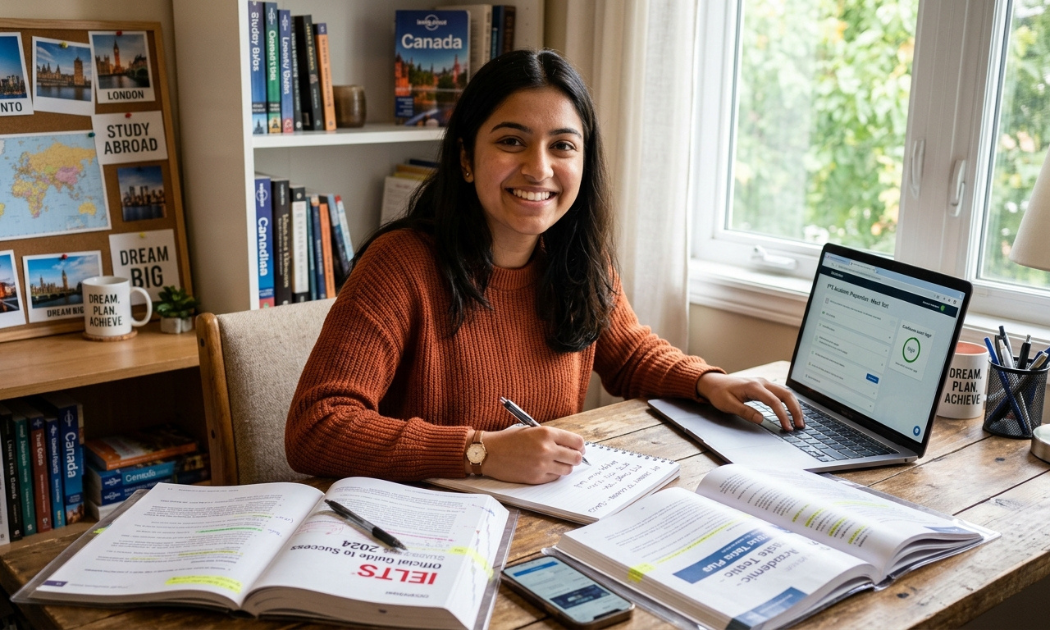
Planning to study abroad requires more than choosing a university or destination. One of the most critical steps is achieving a strong score in English proficiency tests like IELTS and PTE. These exams play a decisive role in admissions, scholarships, and even visa approvals. With the right strategy, preparation becomes structured, efficient, and far less stressful.
Why IELTS and PTE Scores Matter
Universities across countries such as the UK, Australia, Canada, and New Zealand rely heavily on standardized English test scores to evaluate international applicants. A high score not only strengthens your application but can also unlock scholarship opportunities and faster visa processing.
IELTS (International English Language Testing System) and PTE (Pearson Test of English) assess core language skills: reading, writing, listening, and speaking. While both serve the same purpose, their formats differ. IELTS includes face-to-face speaking tests, whereas PTE is fully computer-based with AI evaluation.
Choosing Between IELTS and PTE
Selecting the right test depends on your comfort level and strengths:
- IELTS suits candidates who prefer human interaction in speaking tests and traditional exam formats.
- PTE is ideal for those comfortable with computers and quick results, often delivered within 48 hours.
Understanding the format, scoring system, and time constraints helps in making an informed decision. Many students perform better when they align their preparation with their natural communication style.
Proven Preparation Strategies
Success in IELTS and PTE depends on consistency, targeted practice, and familiarity with test patterns. Instead of overwhelming yourself with excessive material, focus on quality resources and structured learning.
1. Build a Strong Foundation
Start with grammar, vocabulary, and sentence structure. Clear fundamentals improve performance across all sections. Daily reading habits, such as newspapers or academic articles, enhance comprehension and vocabulary retention.
2. Practice with Mock Tests
Simulated exams help you understand timing, pressure, and question types. Regular mock tests reveal weak areas and track progress. Aim to complete at least one full-length test per week.
3. Focus on Time Management
Many students lose marks due to poor time allocation. Practice answering within strict time limits to improve speed without compromising accuracy.
4. Improve Listening Skills
Listen to podcasts, lectures, and international news channels. Exposure to different accents is especially useful for both IELTS and PTE listening sections.
5. Develop Speaking Confidence
Speak in English daily, even if it’s self-practice. Record your responses and analyze pronunciation, fluency, and clarity. Structured answers with logical flow score higher.
Common Challenges and How to Overcome Them
Preparing for IELTS and PTE often comes with predictable obstacles:
- Lack of consistency: Create a study schedule and stick to it.
- Limited vocabulary: Learn new words in context rather than memorizing lists.
- Exam anxiety: Practice under real test conditions to build confidence.
- Weak writing skills: Focus on structure—introduction, body, and conclusion.
Breaking preparation into manageable goals reduces stress and improves retention.
Study Abroad Planning Made Simple
Beyond test scores, studying abroad involves multiple steps. A streamlined approach ensures nothing is missed:
1. Course and University Selection
Choose programs aligned with career goals. Research entry requirements, tuition fees, and job prospects after graduation.
2. Application Process
Prepare academic transcripts, statement of purpose (SOP), and letters of recommendation. Ensure all documents meet university guidelines.
3. Financial Planning
Budget for tuition, accommodation, and living expenses. Explore scholarships and education loans to reduce financial pressure.
4. Visa Requirements
Each country has specific visa criteria, often including proof of funds and English test scores. Accurate documentation avoids delays.
5. Pre-Departure Preparation
Arrange accommodation, understand local laws, and plan travel in advance. Being prepared reduces uncertainty after arrival.
High-Impact Keywords for Better Results
To maximize visibility and search performance, focus on relevant keywords such as:
- IELTS preparation tips
- PTE exam strategies
- study abroad guidance
- English proficiency test preparation
- best IELTS coaching methods
- PTE practice techniques
- international student admission process
Read More-Why Canadian Public Universities Offer Exceptional ROI for Global Students
Smart Study Techniques for Faster Results
Efficiency matters more than long study hours. Use these methods to accelerate progress:
- Active learning: Practice writing essays and speaking responses daily.
- Error analysis: Review mistakes instead of repeating them.
- Section-wise focus: Dedicate specific days to each skill.
- Short study sessions: 45–60 minute focused sessions are more effective than long, unfocused hours.
Consistency combined with smart techniques leads to measurable improvement.
Final Thoughts
Cracking IELTS or PTE is not about memorization; it’s about mastering communication skills. With structured preparation, realistic goals, and the right mindset, achieving a high score becomes achievable. When combined with careful planning, studying abroad becomes a clear and organized journey rather than a complicated process.
FAQs
1. Which is easier: IELTS or PTE?
Neither test is inherently easier. The choice depends on your strengths. IELTS favours traditional test-takers, while PTE benefits those comfortable with computer-based exams.
2. How long does it take to prepare for IELTS or PTE?
Preparation typically takes 4–8 weeks with consistent study. Beginners may require more time depending on their English proficiency level.
3. What is the minimum score required for studying abroad?
Requirements vary by country and university. Generally, IELTS scores range from 6.0 to 7.5, while PTE scores range from 50 to 70.