How AI Is Changing International Classrooms
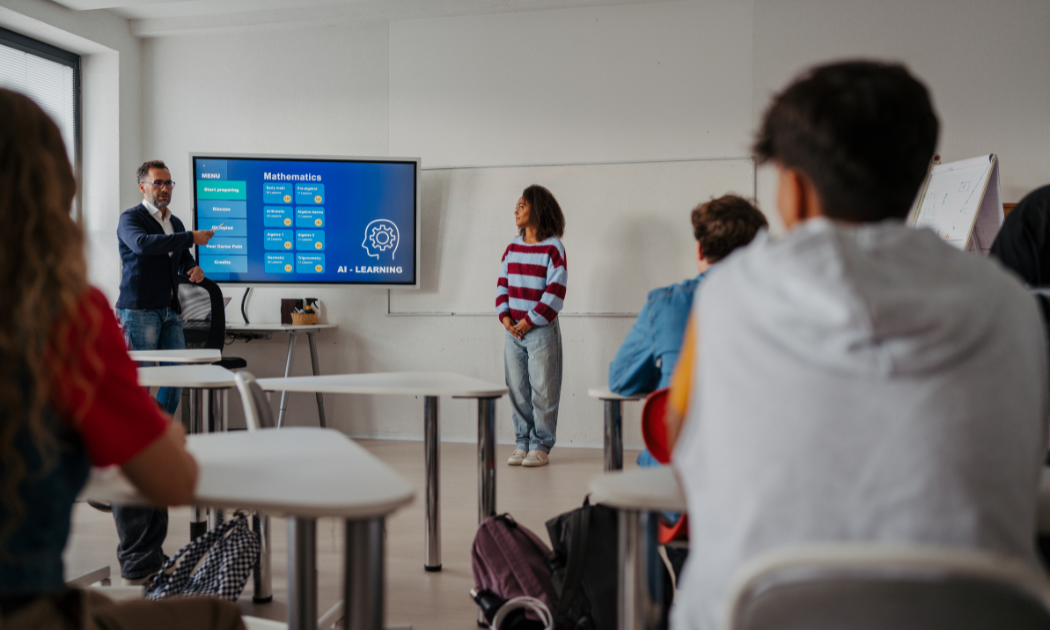
Artificial intelligence (AI) is reshaping higher education across the globe, and international classrooms are among the environments experiencing the most visible transformation. For students studying abroad, AI is no longer a distant concept discussed only in computer science departments. It is embedded in learning platforms, assessment methods, language support, and even student services. Understanding how AI is influencing international education can help studying abroad students adapt more quickly, perform better academically, and make the most of their global learning experience.
The Rise of AI in Global Education
Universities worldwide are adopting AI-driven technologies to remain competitive and responsive to diverse student populations. International classrooms, which bring together students from multiple linguistic, cultural, and academic backgrounds, benefit significantly from these tools. AI systems help institutions personalize learning, improve accessibility, and manage complex administrative processes efficiently.
For studying abroad students, this shift means entering classrooms that are more data-driven, adaptive, and digitally connected than ever before. From smart learning management systems to AI-powered tutoring, the educational experience is becoming increasingly customized.
Personalized Learning for Diverse Student Needs
One of the most impactful changes AI brings to international classrooms is personalized learning. AI algorithms analyze student performance, learning pace, and engagement patterns to recommend tailored content. This is particularly valuable for international students who may come from different academic systems or have varying levels of subject familiarity.
Adaptive learning platforms can identify gaps in understanding and provide additional resources, quizzes, or explanations. For studying abroad students, this reduces the pressure of keeping up with unfamiliar teaching styles and allows them to learn at a pace that suits their background.
Language Support and Communication Enhancement
Language barriers remain one of the biggest challenges for students studying abroad. AI-powered language tools are helping bridge this gap. Real-time translation software, AI-based writing assistants, and speech recognition tools support students in lectures, group discussions, and academic writing.
Many universities now integrate AI writing tools that help non-native speakers improve grammar, clarity, and academic tone while still maintaining originality. This not only enhances academic performance but also boosts confidence in classroom participation.
AI-Powered Assessment and Feedback
Assessment methods in international classrooms are also evolving. AI is increasingly used to grade assignments, analyze exams, and provide instant feedback. While final evaluations still involve human oversight, AI tools accelerate feedback cycles and highlight areas for improvement.
For studying abroad students, faster and more detailed feedback is especially beneficial. It helps them quickly understand academic expectations in a new education system and adjust their study strategies accordingly.
Cultural Inclusion and Global Collaboration
AI is playing a growing role in fostering cross-cultural collaboration. Intelligent collaboration platforms can form balanced international study groups, recommend peer connections, and manage virtual teamwork across time zones. These systems analyze participation patterns to ensure equitable engagement among students from different cultural backgrounds.
Some universities also use AI-driven analytics to identify students who may feel isolated or disengaged, enabling early intervention. This contributes to a more inclusive international classroom environment where studying abroad students feel supported both academically and socially.
Virtual Classrooms and Hybrid Learning Models
The expansion of AI has accelerated the adoption of virtual and hybrid classrooms. Intelligent video platforms can summarize lectures, generate transcripts, and highlight key discussion points. For international students, this is especially useful when adjusting to accents, fast-paced lectures, or unfamiliar terminology.
AI-enabled virtual classrooms also allow studying abroad students to collaborate with peers across campuses and countries, expanding their global network beyond physical borders.
Ethical Considerations and Academic Integrity
While AI offers many advantages, it also raises concerns around data privacy, academic integrity, and algorithmic bias. Universities are increasingly educating students on responsible AI use, especially regarding plagiarism detection tools and AI-generated content.
Studying abroad students should familiarize themselves with institutional policies on AI usage to avoid unintentional violations. Understanding ethical guidelines ensures that AI is used as a learning aid rather than a shortcut.
Read More-Finding Stability in an Unfamiliar Place
Preparing for an AI-Driven Global Workforce
Exposure to AI in international classrooms does more than enhance academic learning; it prepares students for the global job market. Employers increasingly value graduates who are comfortable working with AI tools, analyzing data, and collaborating in digital environments.
For studying abroad students, this experience provides a competitive advantage. Learning in AI-enhanced classrooms develops digital literacy, adaptability, and cross-cultural communication skills that are highly relevant in international careers.
Conclusion
AI is fundamentally changing how international classrooms function, making education more personalized, inclusive, and globally connected. For students studying abroad, these changes offer powerful tools to overcome language barriers, adapt to new academic cultures, and thrive in diverse learning environments. By understanding and responsibly using AI technologies, international students can enhance both their academic success and long-term career prospects.
FAQ
1. How does AI benefit students studying abroad?
AI supports studying abroad students through personalized learning, language assistance, faster feedback, and improved access to academic resources, helping them adapt to new education systems more easily.
2. Is AI replacing teachers in international classrooms?
No. AI is designed to support educators, not replace them. It automates routine tasks and provides insights, allowing instructors to focus more on teaching, mentoring, and student engagement.
3. Should international students be concerned about AI and academic integrity?
Students should be aware of university policies regarding AI use. When used ethically and transparently, AI enhances learning rather than compromising academic integrity.